

What is PEEK Plastic Material?
December 9, 2024
What is a plastics PA?
December 9, 2024
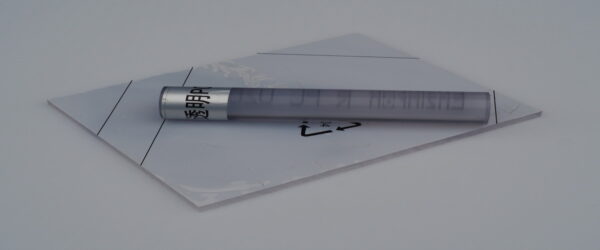
Polycarbonate is a high-performance plastic known for its transparency, strength, and versatility. It is a synthetic polymer made from a variety of chemical components, primarily bisphenol A (BPA) and phosgene. These ingredients undergo a chemical process called polymerization, where they bond to form long chains, resulting in the solid, durable plastic material known as polycarbonate.
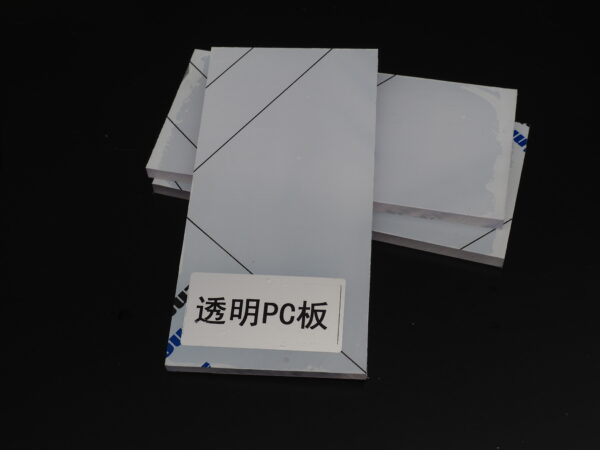
Chemical Components of Polycarbonate
The primary raw materials used in making polycarbonate are bisphenol A (BPA) and phosgene. Bisphenol A is an organic compound derived from petroleum, and phosgene is a toxic gas that reacts with BPA to create a polycarbonate resin. During the polymerization process, BPA molecules are linked together with carbonyl groups from phosgene, forming the polycarbonate polymer.
Polymerization Process
The polymerization process to make polycarbonate involves two key steps: the reaction between bisphenol A and phosgene to form a prepolymer, followed by a polymerization process under heat and pressure to create the final, solid plastic material. This process can be modified to produce various forms of polycarbonate, including sheets, films, and molded products.
Properties of Polycarbonate
Polycarbonate is known for its excellent optical clarity, high impact resistance, and ability to withstand high temperatures. It is also a lightweight, durable material that retains its strength over time. Due to these properties, polycarbonate is used in a variety of industries, including automotive, electronics, construction, and healthcare.
Other Additives in Polycarbonate Production
In addition to BPA and phosgene, other additives such as flame retardants, UV stabilizers, and colorants may be incorporated into polycarbonate to enhance its performance and make it suitable for specific applications. These additives help improve the material’s fire resistance, weatherability, and aesthetic qualities.